Winning Visibility: How to Get AI Platforms to Notice Your Brand



Whether you’re a B2B or B2C marketer, AI has quickly risen to become the new front page of search.
Instead of scrolling through pages of links, your customers are increasingly turning to AI platforms for direct answers to what products and services they should buy. Whether through ChatGPT, Claude AI, Google AI Overviews, Microsoft Copilot, or Perplexity, brands are now being discovered through AI-generated responses — not just traditional search engine results.
And unlike traditional SEO, there’s no submission form, paid placement, or digital marketing efforts that guarantee inclusion. The rise of AI information gathering has transformed our PR agency’s strategies for clients’ brand visibility.
So how do you get your brand to show up through AI platforms?
Crawlability and surfacing – what does it mean for marketers?
AI platforms serve a variety of purposes, but many of your customers now use these information hubs as a search engine. AI tools are trained to provide answers using information gathered by bots that “crawl” websites. Crawling is the process AI systems use to discover, collect, and analyze content from the web to then inform the answers provided. If your brand surfaces in AI results – meaning the brand is named or recommended – it’s because the brand was first visible in the crawling process. A brand surfacing in AI search results can look like general brand mentions, brand products, answers to frequently asked questions, the brand description, and even links back to a brand’s owned content.
Why AI Visibility Matters for your brand
Visibility in AI platforms isn’t just about traffic. It’s about credibility. A surfaced brand is also a discoverable, relevant, and credible brand to your consumers. When an AI platform cites, references, or recommends your company, it signals authority in your industry, trustworthiness, and alignment with real customer questions. As generative AI becomes embedded in search, voice assistants, and enterprise tools, brands that structure their digital presence now will have a measurable advantage later.
The shift is already happening. The question isn’t whether your audience will use AI, but whether your company will appear when they do.
Publicity Placements

Katie Tweedy, Director of SEO and Content Marketing at Collective Measures
AI systems look beyond your website. They evaluate authority signals such as backlinks from reputable publications, media coverage, expert commentary, data-backed thought leadership, and consistent third-party mentions. According to Katie Tweedy, Director of SEO and Content Marketing at Collective Measures, “when users use non-branded search terms, 74% of the results populated are from earned media sources.”
That means it’s more probable your brand will appear in and by prioritized by AI-generated results if it’s been mentioned in media coverage, analyst mentions, and journalistic citations. AI platforms are designed to mirror human trust behaviors – therefore it’s ideal if your brand has recent media coverage, especially in top-tier publications. If trusted sources reference your brand, AI is more likely to surface it.
What AI Platforms Actually Look For
AI platforms prioritize content that directly answers questions. Your earned media content/publicity and website should clearly address relevant questions. Having a strong FAQ section on your brand-owned website is imperative. AI crawlers don’t read content the way humans do, instead favoring webpages that begin with a concise summary before expanding into detail.
AI systems don’t “rank” pages the same way traditional search engines do. Instead, they extract, verify, and synthesize information. Tweedy stated, “GEO (Generative Engine Optimization) as a practice is an evolution of SEO. Making sure you’re considering both is important in where a brand is showing up on the Internet.” This means your brand needs to be clear, structured, authoritative, and technically accessible.
Technical Accessibility: Crawlability Comes First
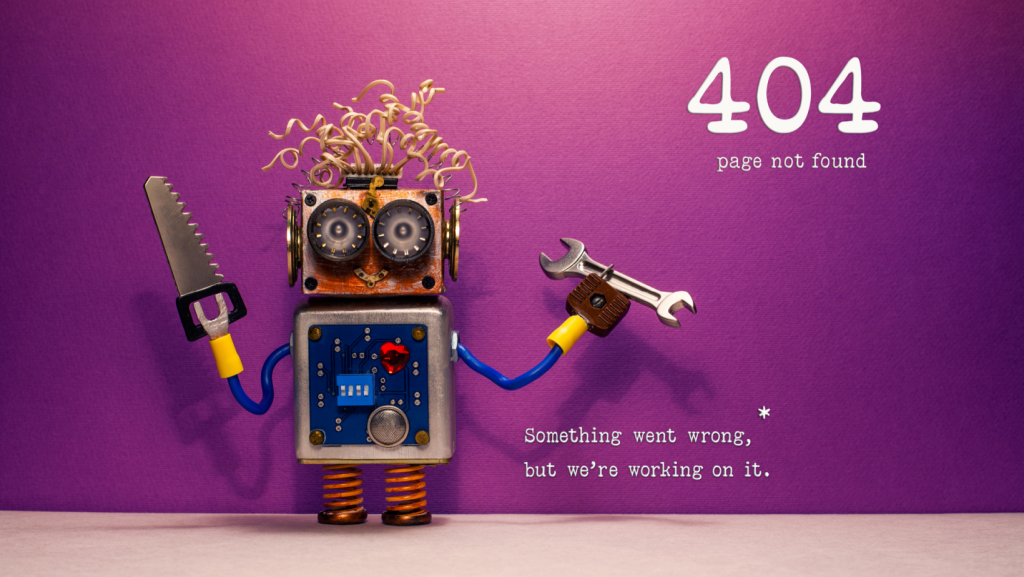 If AI bots can’t crawl your brand’s website, it can’t include the information in the generated results. Technical health of your website is the first filter. Common technical health issues are 404 errors, broken links, unorganized internal linking, pages failing to load, and key content buried deep in navigation.
Most websites don’t have one catastrophic problem – they have dozens of small ones that compound. Technical friction lowers trust signals so being consistent, reliable, and clear is important in your website design. Ensuring your website is indexable, loads quickly, has a clean logical structure, and has key pages that can be reached within 2-3 clicks is ideal. Additionally, you should have proper robots.txt configuration, a plain text file in the root directory of your website—containing directives specifying which bots are allowed or disallowed from accessing specific parts of the site.
Structure Over Volume
More content doesn’t mean better results. AI platforms tend to surface clearly organized pages, strong category hierarchies, logical internal linking, and clean formatting with strong headers. Thin content, repetitive pages with minimal differentiation, and pages buried six or more clicks deep are deprioritized.
Quality over quantity is no longer just a best practice, but a requirement for visibility in search. AI systems also verify brand information, so ensuring your brand’s information is consistent everywhere will improve AI’s confidence – and ultimately the public’s trust – in your brand.
The Bigger Picture
Showing up in AI-generated answers isn’t just a technical SEO exercise. It’s a communications strategy for your company’s marketing and PR initiatives. It requires diligence among technical performance, content structure, brand messaging, external credibility, and perhaps most importantly public relations.
Organizations that treat AI visibility as a cross-functional priority rather than a marketing experiment will win disproportionate attention. The landscape is evolving quickly, but the fundamentals are clear.
Be structured.
Be authoritative.
Be technically sound.
Be consistent.
AI visibility isn’t a one-time fix; it’s an ongoing effort. Make it easy for AI systems to understand exactly who your company is and what you do.
Are you ready to be found? See how Maccabee Public Relations can help you get your brand discovered. We’d love to hear from you – reach out to Paul Maccabee at paul@maccabee.com and let’s talk!